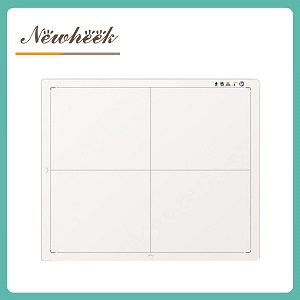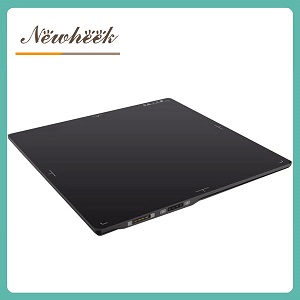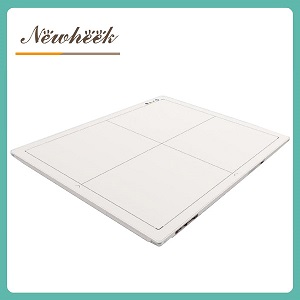
Quick answer: who actually needs training when a new detector arrives
A new flat panel detector arrives with a specification sheet and a manual, and the people who will use it each morning often meet it for the first time on the day it goes into service. The training that matters is not a product tour. It is the short list of things every operator must be able to do before the first patient: lift and seat the panel without stressing the cable, confirm the correct worklist and exposure settings, recognise the warnings that mean stop rather than repeat, and hand the detector to the next shift in a known state. A detector is forgiving of an experienced user and unforgiving of a rushed one. The difference between the two is usually a checklist that was written down and actually used.
Most rooms learn this the hard way. A panel is delivered, the engineer connects it, someone watches once, and the department considers itself trained. Two weeks later the same panel has a cracked corner, a repeating artefact nobody can explain, and a battery that is flat before the afternoon list. None of those failures is dramatic on its own. Each one traces back to a step that went undemonstrated for the person holding the detector at the time. This page is about that gap — what to teach, in what order, and how to know the teaching worked.
What should an operator be able to do before the first examination
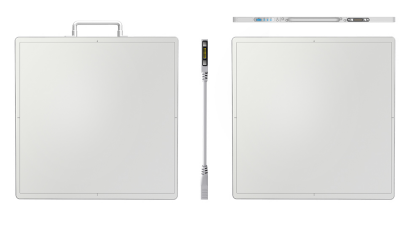
Separate the physical handling from the image workflow. Handling comes first because a damaged panel cannot be trained around. A new operator should be able to take the detector from its storage position, support it by the frame rather than the face, place it in the tray or on the table without letting it drop the last centimetre, and route the cable so the panel can move without pulling the connector. Each of these is a small motion. Each becomes expensive when it is done carelessly several hundred times a month.
Only then move to the workflow: selecting the patient from the worklist, choosing the examination preset, checking that the acquired image reaches the correct destination, and understanding what the exposure index on the screen is reporting. The guide to how a detector talks to the room explains the connection layer in detail. Onboarding turns that explanation into muscle memory by having each new operator run one complete examination under supervision before working alone.
Why the first week decides how the panel is treated for years
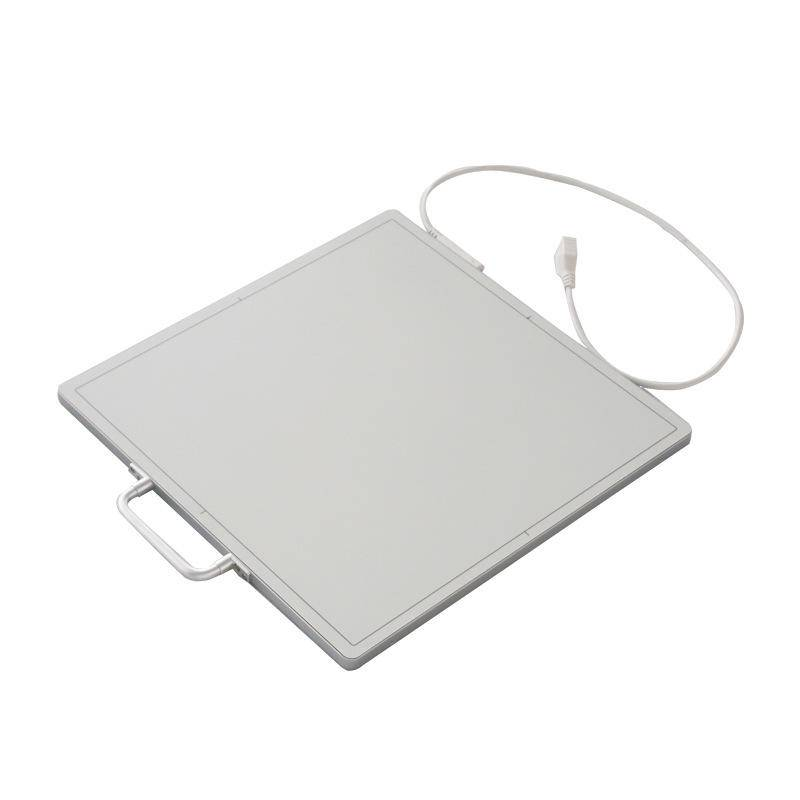
Habits form quickly around a new piece of equipment. If the first operators set the panel down on a hard edge, leave it awake between cases, or drag it across the table by the cable, those actions become the room’s normal way of working. Later training has to undo a habit instead of building one, which takes longer and is less reliable. A short supervised period at the start is cheaper than a year of quiet misuse.
The same applies to cleaning. Every detector has a cleaning method its enclosure and connectors can tolerate, and every clinic has a product it already uses on every surface. Those two things do not necessarily agree. Operators need to be shown which cloth, which product, and which seam to avoid, rather than being told to keep it clean. The infection control guide covers the reasoning; the onboarding session turns it into a demonstration at the actual sink with the actual bottle the room uses.
How should the shift handover be taught
A detector shared across shifts is a detector whose state nobody owns. Onboarding should include a handover that takes seconds: where the panel is, what charge it holds, whether anything looked different during the last list, and whether a cleaning or calibration check is due. Write it into the same place the department already records equipment checks. A handover that lives only in someone’s memory disappears at the first busy evening.
For rooms running more than one panel, the handover also names which detector served which list. That matters when an artefact appears the next morning: the first useful question is which panel made the image, and the answer should not depend on recollection. The artefact first-check guide shows why a pattern of faults is more informative than a single bad image. Training that includes a short log gives the room the pattern.
What belongs in the first-image check
Before any clinical use, each operator should know the room’s first-image check and be able to perform it without coaching. That check confirms that the detector is recognised by the workstation, that the correct examination preset is active, and that the resulting image looks consistent with the room’s expectations. It does not require a physicist. It requires a fixed sequence and a clear instruction about what to do if one step fails.
The point is not to test the detector each morning in a laboratory sense. It is to catch the ordinary problems that accumulate: a worklist connection dropped overnight, a preset changed by someone else, a panel returned to the wrong tray. Guidance on what shapes an image and what to check first is in the artefact checks; the first-exposure guide explains what a panel needs after storage or transport. Onboarding links the two into one habit that fits the opening of a list.
How much dose and image-quality knowledge does an operator need
Not a physics course. Operators need a practical understanding of three ideas: the exposure index reported by the system is a signal about technique, repeat exposures add dose without adding information, and an image that looks acceptable can still be an image that was acquired poorly. Training should show, with real examples from the department, what a high index and a low index look like on that room’s monitor and what each one usually means at the console.
The retake root-cause guide gives a way to classify repeats instead of dismissing them as operator error. Use it during training so that a repeated image becomes a question about positioning, preset choice or equipment state rather than a quiet judgement about the person who took it. Dose decisions remain subject to local rules and the ALARA principle; the training supports those rules rather than replacing them.
What to do when the detector behaves differently from the manual
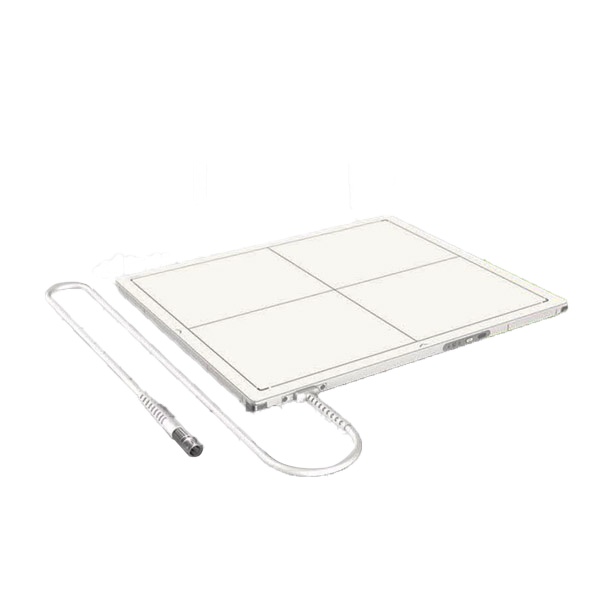
New operators are often uncertain about when to stop. Give them a short, explicit rule. Physical damage, swelling, unusual heat, a smell from the enclosure or a connector that will not seat are stop conditions: take the panel out of service and report it. A single odd image is a check condition: repeat the first-image check, confirm the preset, and record what happened. Separating stop from check removes the two common failures — continuing to use damaged equipment, and abandoning a panel over a harmless transient.
The durability specification guide explains the environmental limits that make a stop condition understandable rather than arbitrary. A technician who knows why a cold panel needs time to settle is more likely to wait than one who has memorised a rule without a reason.
How to know the training actually worked
Competence is shown by doing, not by attendance. Ask each new operator to complete one full examination from worklist selection to image routing while someone watches, then repeat it on a different day without prompting. Keep the record short: the date, the person, the panel used, and the name of the person who observed. The record is useful when a fault appears months later and when the next operator needs training — it shows who can teach the step rather than who merely heard about it.
Review the record alongside the room’s repeat log after a few weeks. A rise in repeats from one operator usually points to a step that was demonstrated too quickly. A rise across the whole room after a new panel points to a workflow that went unexplained at the start. In both cases the fix is another short session, not a new detector. The total cost of ownership note explains why training belongs in the purchase conversation: an untrained team quietly raises the operating cost of even a well-chosen panel.
What to ask the supplier before the training session
Ask who provides the training, how long it lasts, and whether it covers the room’s actual generator and software or a generic demonstration. Ask what language it is delivered in, who is qualified to sign the training record, and whether refresh training is available when staff change. Put those answers in the purchase documents. A supplier who includes operator training as a defined item has thought about the detector in service; a supplier who treats it as an afterthought has left the room to work it out alone.
Configuration questions, training terms and RFQ wording can be sent to the contact page.
FAQ
How long does it take to train someone on a new flat panel detector?
There is no fixed figure that fits every room. A practical approach is one supervised full examination, a second run a few days later without prompting, and a short record of both. The time needed depends less on the detector than on how different the new worklist and preset workflow are from what the operator used before. Rooms changing several systems at once should allow longer.
Can training be done from the manual alone?
The manual is necessary but not sufficient. It describes the detector; it does not describe the way a specific room positions patients, routes images or hands equipment between shifts. Two practical sessions at the actual workstation usually teach more than reading a document, because they expose the small decisions an operator faces during a real examination.
What should be included in a detector shift handover?
Record where the panel is, its charge state, anything unusual noticed during the list, and whether cleaning or a scheduled check is due. For rooms with more than one detector, note which panel served which examination. The handover should take seconds and live in a place the department already uses for equipment records, so it survives a busy evening.
When should an operator take a detector out of service?
Physical damage, swelling, unusual heat, an odour from the enclosure and a connector that will not seat are stop conditions. Remove the panel from use and report it according to the department’s procedure. A single unusual image is different: run the room’s first-image check, confirm the preset, and record the result before deciding anything else.
Who should sign off that an operator is trained?
Someone who observed the operator complete a full examination under the room’s normal conditions, not someone who merely delivered the equipment. Keep the date, the operator, the panel used and the observer’s name. The record becomes useful when a fault is investigated later and when a new trainer needs to know who can demonstrate each step.
Detector configuration and training terms: admin@newheek.cn | WhatsApp: +86 19062611512