Wireless Vs Wired Flat Panel Detector Differences Explained
Flat panel detectors (FPDs) are core components of digital X-ray and DR systems, widely used in hospitals, clinics and mobile medical scenarios. When selecting FPDs, the choice between wireless and wired models is a key decision for medical device buyers. This article clearly explains the main differences between wireless and wired flat panel detectors, helping you choose the right product for your needs.
1. Connection Mode & Mobility
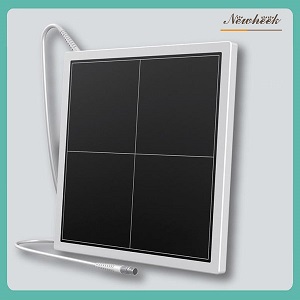
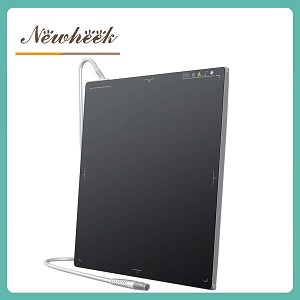
Wired Flat Panel Detector: It connects to the X-ray system via a fixed data cable and power cable. It has a stable connection but limited mobility, suitable for fixed radiology rooms where the detector does not need to be moved frequently.
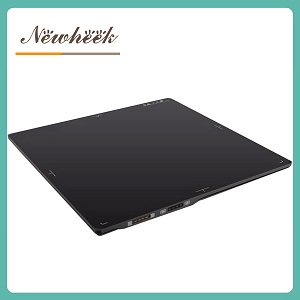
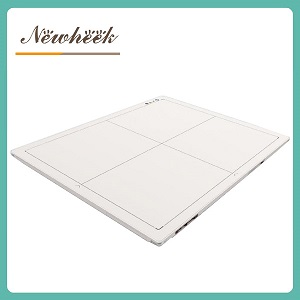
Wireless Flat Panel Detector: It uses Wi-Fi or Bluetooth for data transmission and is powered by a rechargeable battery. It can be moved freely without cable restrictions, ideal for mobile DR, bed-side examinations and outdoor physical examinations.
2. Installation & Usage Convenience
Wired FPD: Requires fixed wiring during installation, which may take more time and effort. It needs to be placed in a fixed position during use, and the cable may limit the adjustment of shooting angles.
Wireless FPD: No wiring is needed, and it can be installed and used quickly. It can be flexibly placed according to shooting needs, reducing the trouble of cable management and improving work efficiency.
3. Data Transmission Speed & Stability
Wired FPD: Data is transmitted through a physical cable, with fast transmission speed and high stability. It is not affected by signal interference, suitable for scenarios that require high-speed and real-time image transmission.
Wireless FPD: Transmission speed is affected by Wi-Fi signal strength and distance. It may have delays or interruptions in complex signal environments, but the latest wireless technology has greatly improved transmission stability.
4. Power Supply & Maintenance
Wired FPD: Powered by an external power supply, no need to charge, and has no power consumption worries. Maintenance mainly focuses on cable inspection and connection stability.
Wireless FPD: Relies on rechargeable batteries, which need to be charged regularly. The battery life is about 4-8 hours for daily use. Maintenance includes battery replacement and wireless signal debugging.
5. Application Scenarios & Cost
Wired FPD: Suitable for fixed radiology departments, large hospitals and other scenarios with stable working environments. The price is relatively low, and the long-term use cost is low (no need to replace batteries).
Wireless FPD: Suitable for mobile medical teams, grass-roots clinics, emergency rescue and other scenarios that require mobility. The initial purchase price is higher, and there is an additional cost of battery replacement in the later period.
Conclusion
Wired flat panel detectors excel in stability, transmission speed and low long-term cost, while wireless models have obvious advantages in mobility and convenience. When choosing, you should consider your actual application scenarios, work needs and budget. For fixed radiology rooms, wired FPDs are more cost-effective; for mobile or bed-side examinations, wireless FPDs are the better choice.
Author:Newheek-Detector